


vendredi 27 décembre 2013

jeudi 26 décembre 2013
The coolest snowmobiles of all time: Let it snow!

The desire for motorised transport on snow and ice has seen the creation of some incredible snowmobiles - be it for the conquest of the polar ice caps or simply for stylish sliding in snow-covered North America in the 1970s. We present the coolest companions of all time...

1939 Antarctic Snow Cruiser: Much did little

The failed Snow Cruiser was abandoned in Antarctica
At more than 15 metres long and nearly 4.5 metres high, the Antarctic Snow Cruiser was huge, but its performance never matched its size. It suffered technical problems even on its maiden trip from Chicago to Boston in 1940. But on arriving in Antarctica, things got very much worse for the 37-tonne behemoth. It hadn't sufficient traction to cope with snow and ice and the failed Snow Cruiser was abandoned in Antarctica.
1937 Bombardier B7, B12 and C18 Snowmobile: Before the Airbus came the snow bus

Inventor and designer Joseph-Armand Bombardier, founder of the Canadian aerospace and transportation company which bears his name, created his first snowmobile in 1937. The B7, as it was called, was followed by the 12-seater B12 and the 18-seater C18, which brought the hoped-for financial success in the decades to come.
Sno Coupe (1970 - 1973): Gliding like a gentleman

In the early 1970s, the Innovar Corporation of Dunnell in Minnesota recognised the potential for an elegant, gentleman's snowmobile with side-by-side seating, rollover protection, plenty of luggage space and much more besides. A great idea, yet only 200 units of the fashionable Sno Coupe were ever built.
1955 Tucker Sno-Cat Type 743 Double Drive: Blame the nut

Even if the Tucker Sno-Cat actually made it across the gorge in the end (video), the Commonwealth Trans-Antarctic Expedition (CTAE) from 1955 to 1958 made very little use of it. According to rumour, the engine never ran right after a nut fell into it during assembly.
1970 Rupp Super Sno-Sport: 150mph on snow and ice

Did you know that by the end of the 60s, quarter-mile races on frozen lakes had become popular? And since there were virtually no rules, Mickey Rupp, founder of Rupp Manufacturing, built a dragster with chain-drive and runners. Equipped with an approximately 500HP Ford V8, the Rupp Super Sno-Sport of 1970 reached a staggering 150mph on snow and ice. The following video shows the dragster at start-up.
1958 Cuthbertson Land Rover: Long legs

In 1958, Scotsman James A Cuthbertson presented this Land Rover tracked vehicle. It had great benefits on swampy ground, but the height did make it rather unstable. Ultimately, only 15 were built.
1966 VW T1 'Snowmachine': VW bus for après-ski

Bored with the usual après-ski party? The tech-savvy owner of this 1966 T1 has done a great job: not only is the microbus a chain-drive, it also has a 1,600-Watt sound system. An après-ski party in the slopes-grade T1 is truly hard to beat.
Tundra Buggy: Polar bear safari

The ten-tonne Tundra Buggy, now produced in Churchill, a small community in the Canadian province of Manitoba, can accommodate a whole school class - and return them safely across the snow. Why? To explore the life of endangered polar bears up close.

In the Classic Driver Market you can find not just snowmobiles, but numerous off-roaders and other classics ideal for conversion. Just think creatively!
For inspiration we recommend the following websites:
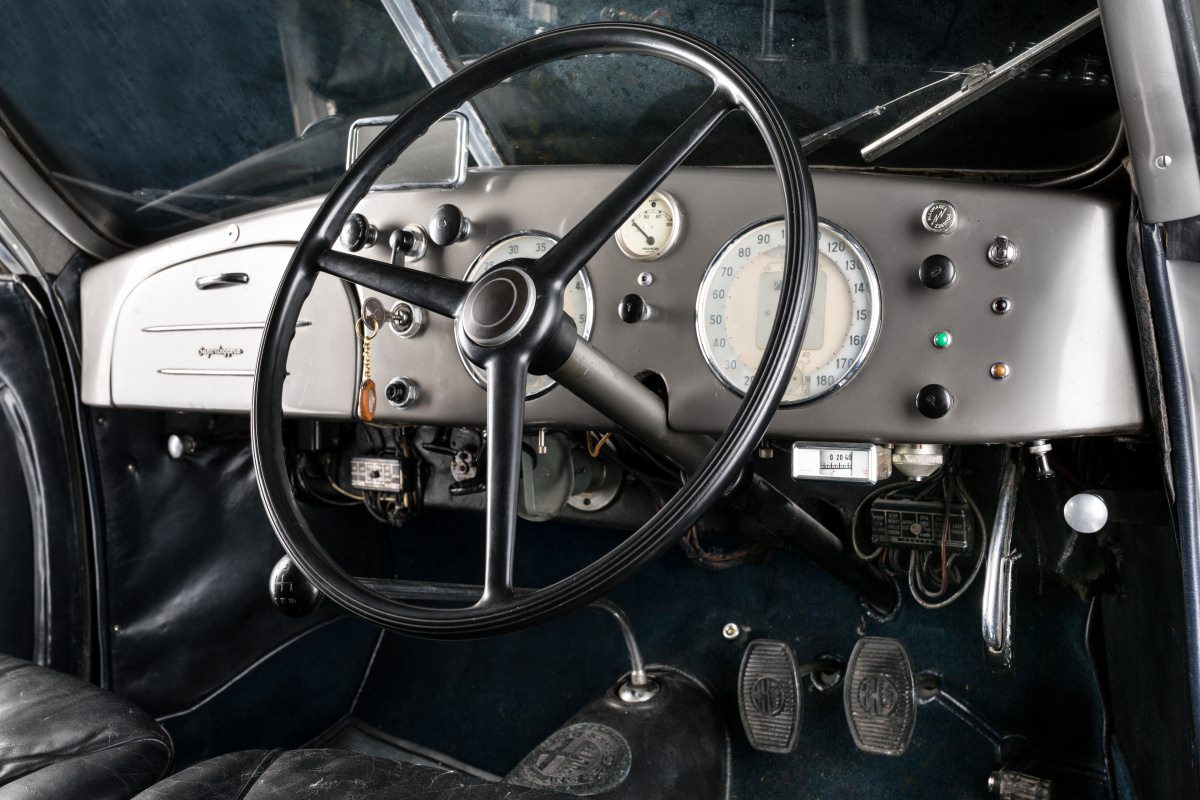
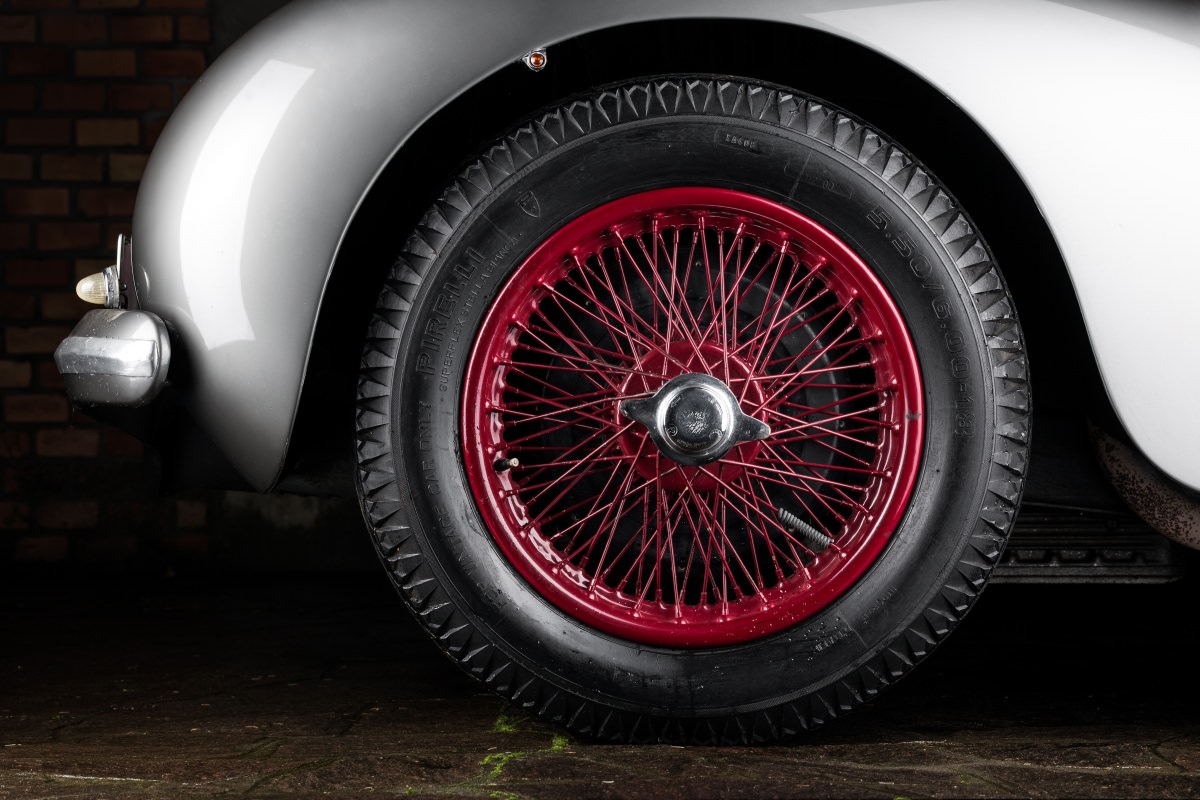
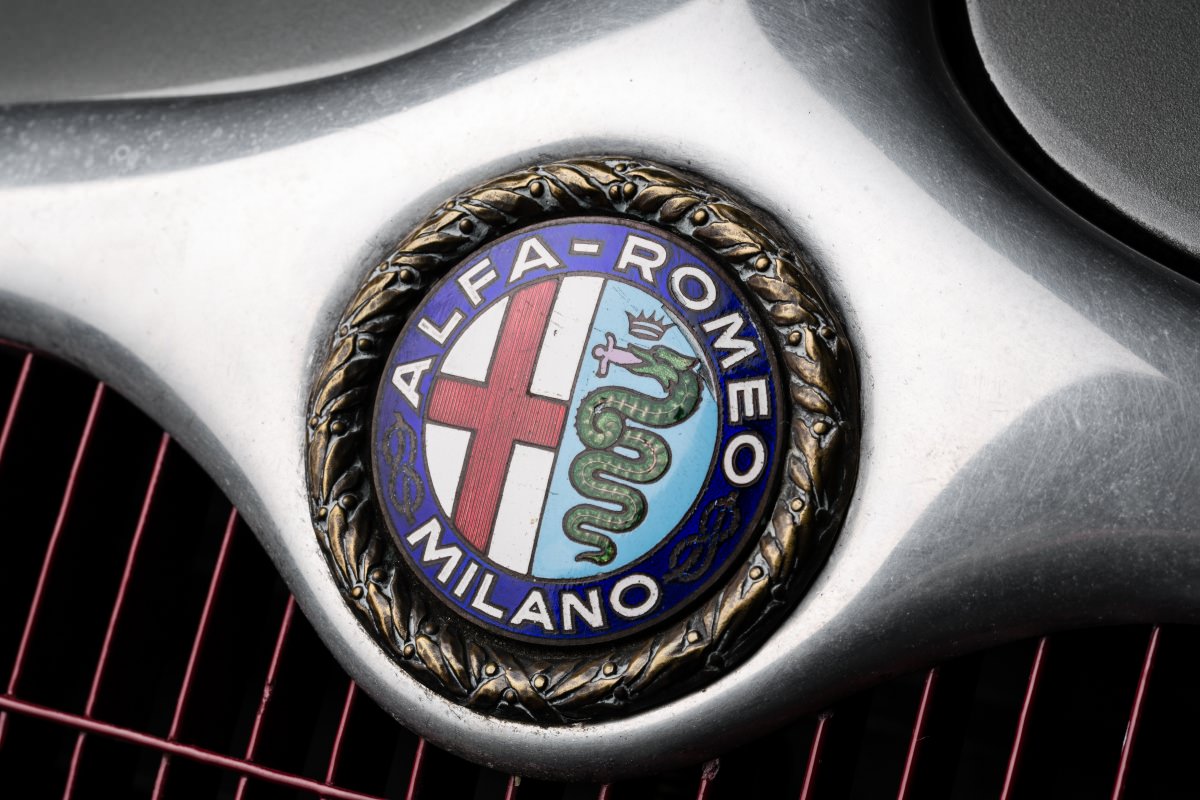
1939 ALFA ROMEO 6C 2500
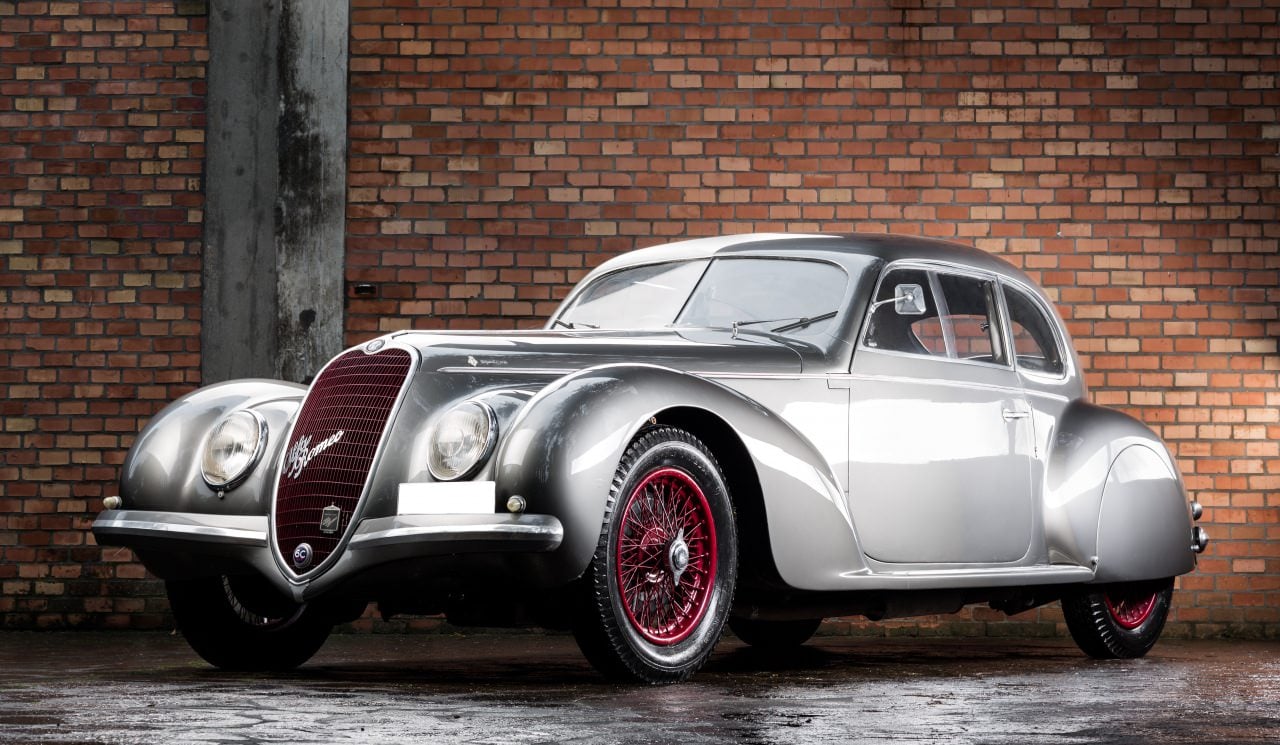
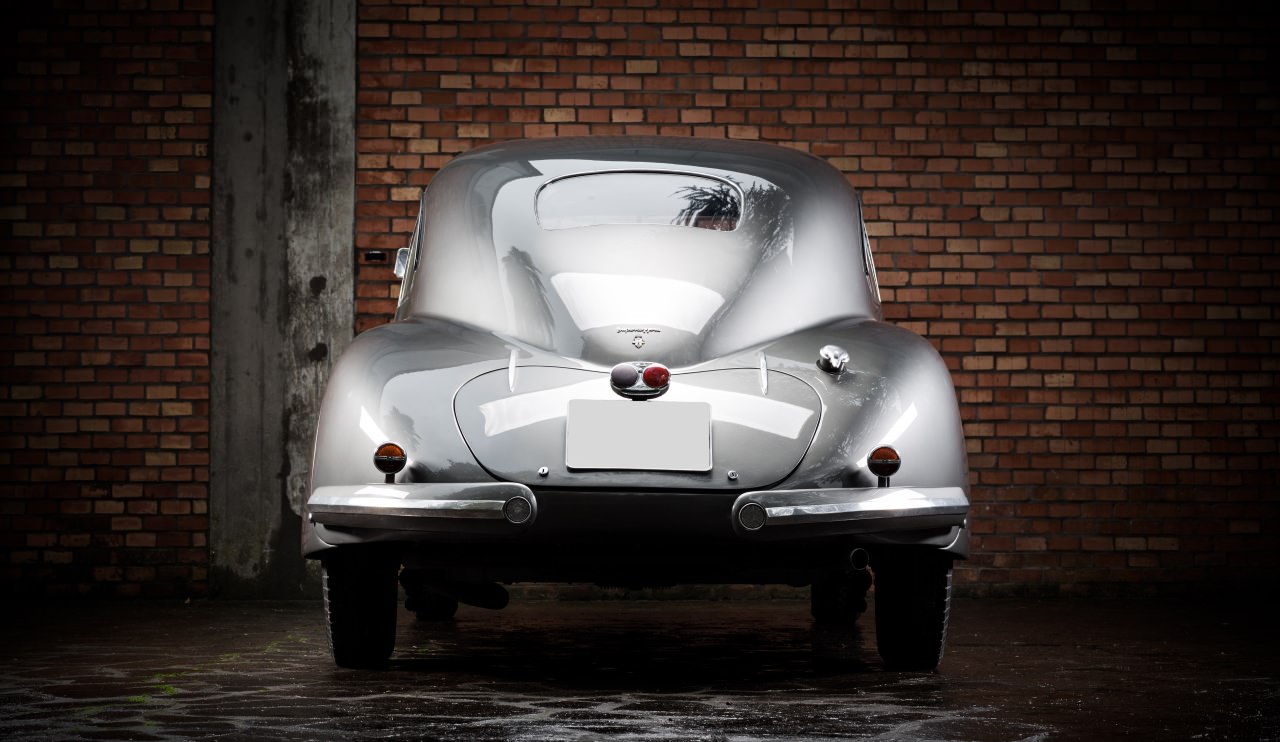
This 1939 Alfa Romeo 6C with coachwork by Carrozzeria Touring is a car I haven’t come across before, it’s a visually stunning piece of design, largely due to the fact that it was formed with the aid of an early, pre-war wind tunnel.
The 6C 2500 was to be the last of the 6Cs, WWII was fast approaching and the model had been in non-stop production since 1925, making it one of the longest production runs of any Alfa. The 2500 was to be the ultimate iteration of the car, it was offered in 3 three wheelbase lengths – 3250mm/128.0 inches on the Turismo model, 3000mm/118.1 inches on the Sport model and 2700mm/106.3 inches on the Super Sport model (pictured here). The Super Sport was also fitted with a triple carburettor set up and higher compression pistons than the more touring oriented, longer wheelbase models.
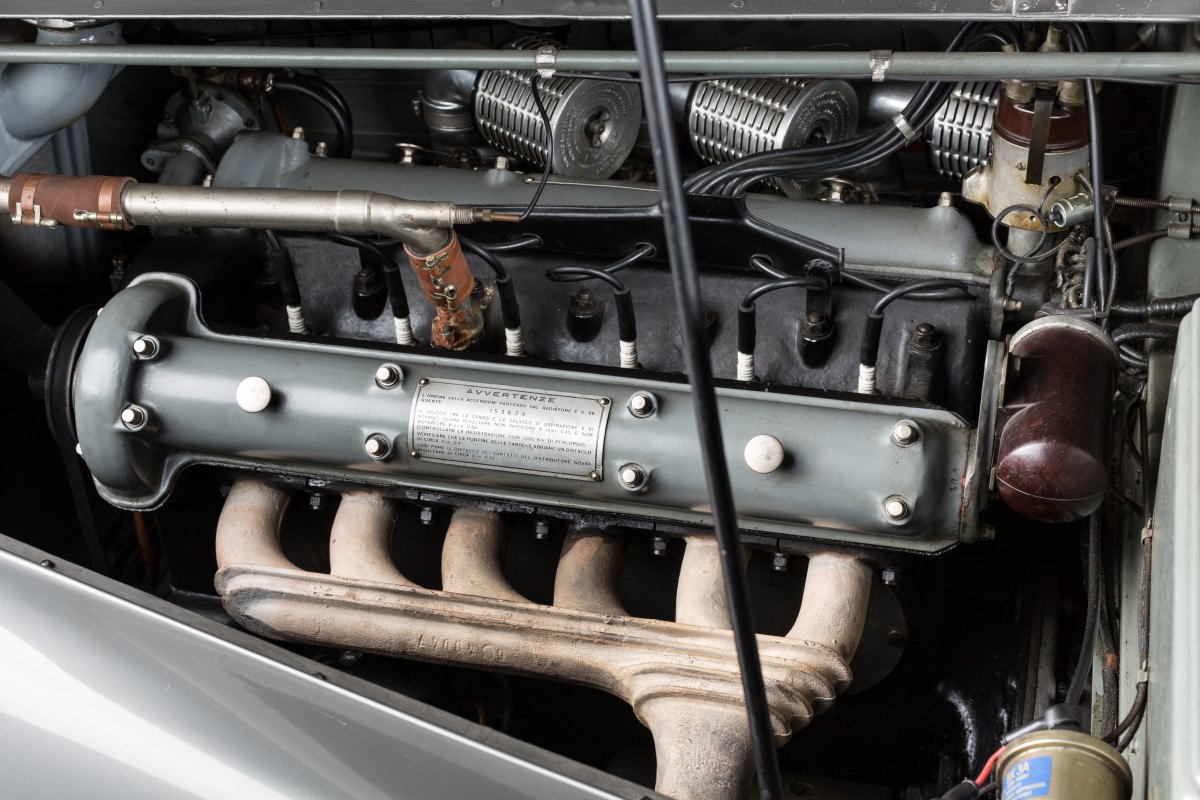
As with many cars of the era, the name was direct reference to the car’s engine. The “6C” meant 6 cylinder and 2500 was a reference to the engine’s capacity of 2443cc. This was the highest performing road specification engine that the car was ever fitted with, it could produce a maximum output of 120hp at 4750RPM, making it quite a sprightly performer.
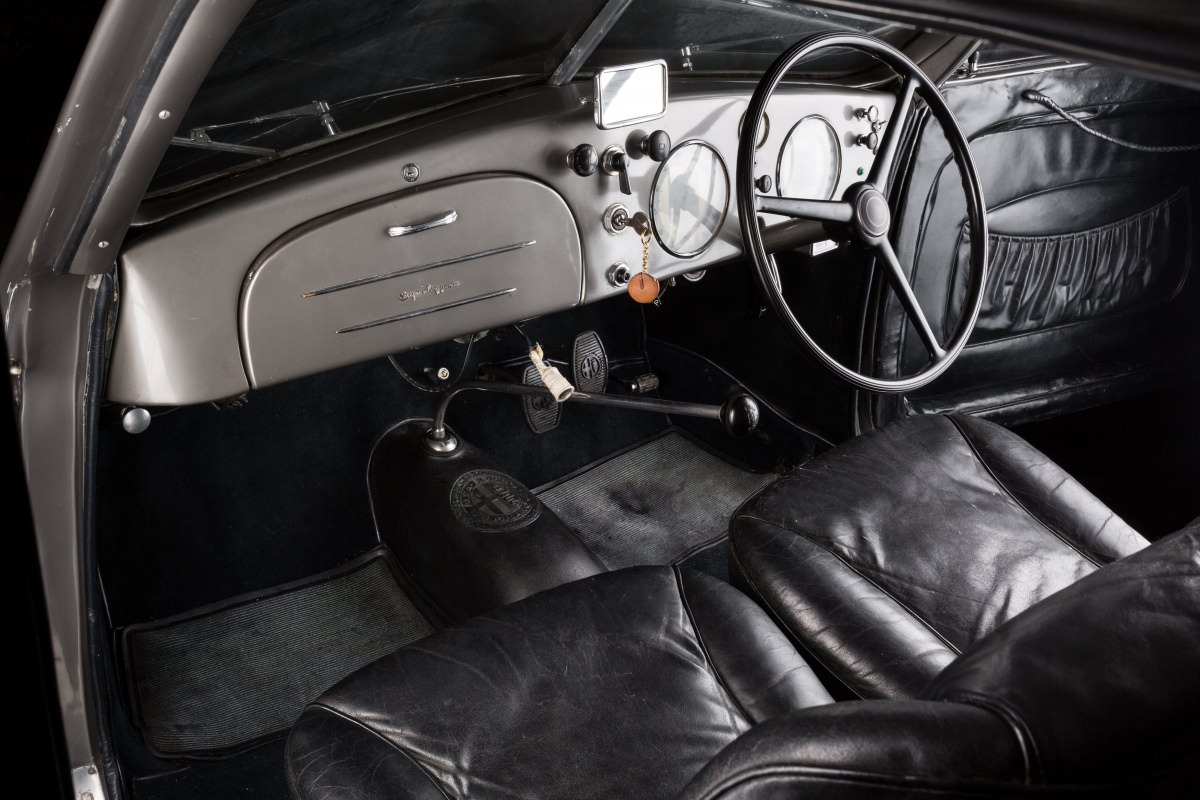
The immaculate 1939 Alfa Romeo 6C 2500 you see here is being offered for sale by its current owner, he’s an Italian collector who’s owned the car for decades. Interestingly, the car has never had (or needed) a restoration, making it the most original surviving 6C 2500 and doing absolutely no harm to its resale value.
If you’d like to read more about the car, or enquire after it as a potential purchase, you can click here to visit Classic Driver.

Child of the revolution: Testing the Alpine A220 prototype, April 1968

When the FIA demanded a rule change to limit the speed of race cars at Le Mans, it instantly consigned some of the most successful competition cars to history. But for others, it seemed to provide an unprecedented opportunity... or did it?
The year is 1968 and France is in turmoil. With more than 11 million people on strike and refusing to work, the country looks set to grind to a halt - and, in the month of May, further chaos ensues in Paris when 20,000 marchers are incited to riot by heavy-handed police.
But the true seriousness of the situation is only revealed with the announcement that the traditional June running of the 24 Heures du Mans is to be postponed indefinitely, with the distinct possibility that this year's event will have to be cancelled altogether due to the labour strikes.
Does the FIA never sleep?
Among the people still working, however, are the pen-pushers at the FIA who decree that the cars are getting too quick and too dangerous, meaning the rules must be changed in order to slow them down. The answer? Introduce a three-litre capacity limit for engines in the 'prototype' class and a five-litre limit for 'sports cars.'
The result? Enzo Ferrari is furious and, when a new Le Mans date is fixed for September 28 and 29, he refuses to field any Scuderia cars because his P4's four-litre engine is now obsolete in the prototype category. Also out are the Chevrolet-powered Chaparrals and the GT40-derived, 5.7-litre Mirage M1 – but for some teams, the capacity decrease looks like an opportunity.


Step forward Jean Rédélé and Amédée Gordini, respectively the founders of Alpine and Gordini. Inspired by the rule change (and with continued financial backing from Renault) they had already got to work combining a pair of blocks and cylinder heads from the latest 1.5-litre Gordini race engine with a single crankcase, to create a conventional V8 with four chain-driven overhead cams and a capacity just inside the new three-litre limit.
Hopes run high... at first
The engine is fitted to a heavily modified version of the Alpine A210 chassis, called the A211 and nicknamed the Grandmother. And then, for the 1968 season, a completely new car is designed by a team from Alpine led by Richard Bouleau – and christened the Alpine A220 – but it struggles to make much more than 300 horsepower.
All the same, and more in hope than expectation, the team enters four A220s for Le Mans. They prove as underpowered and unreliable as everyone expected, with the only one managing to finish being that driven by André de Cortanze and Jean Vinatier who bring it home in a creditable eighth place in front of three A210s.

It will be another decade before Renault Sport, using the the two-litre, V6 turbo Alpine A442B engine, finally takes the laurels at Le Mans. But that, as they say, is a whole other story...
Photos: Paris Match / Getty Images

Plenty of Alpines can be found by browsing either the Alpine or Renault sections of the Classic Driver Market.
A book on Alpine's 1960s sports prototypes by Roy Smith can be ordered online atwww.veloce.com.
Inscription à :
Articles (Atom)